
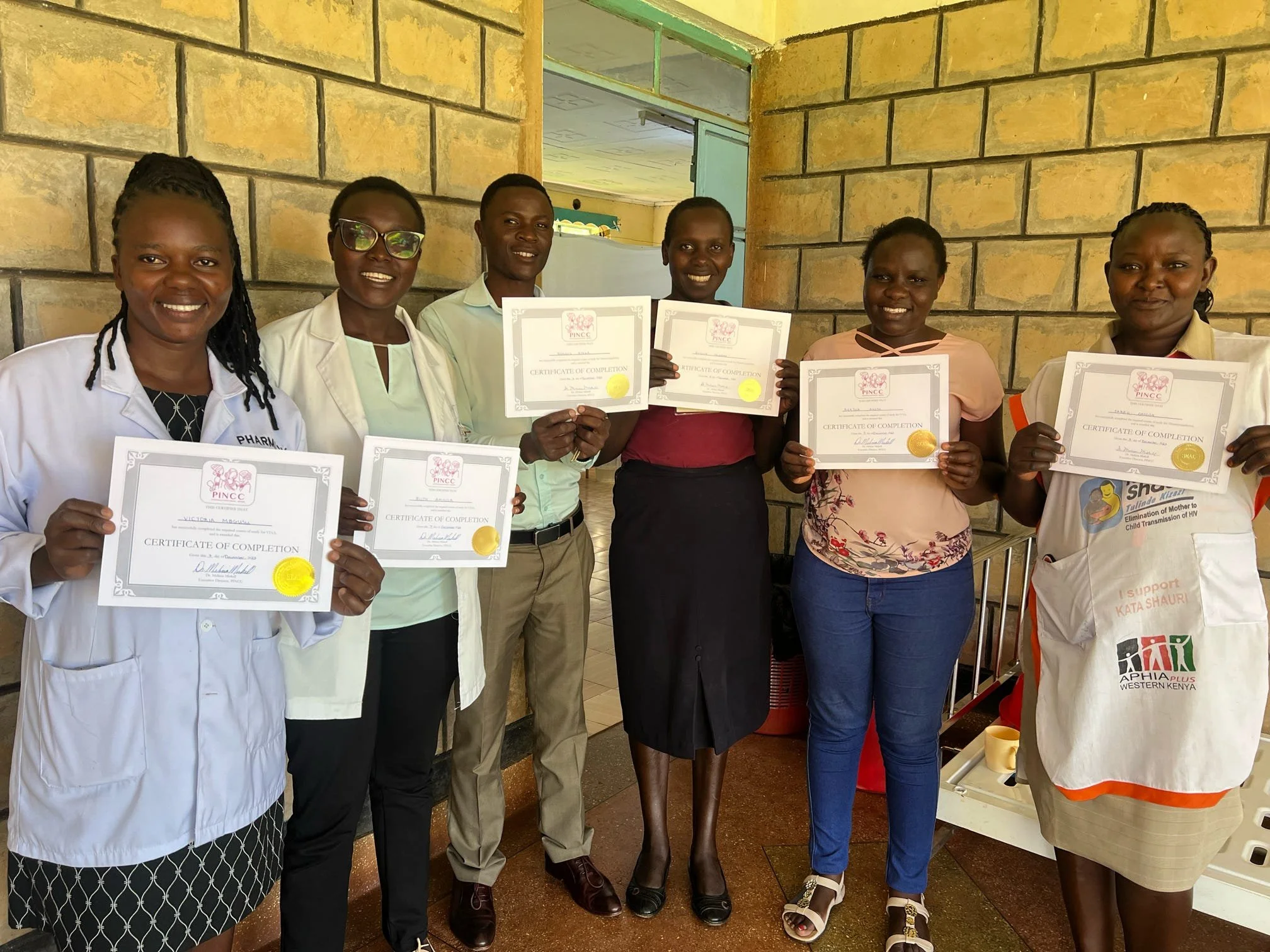
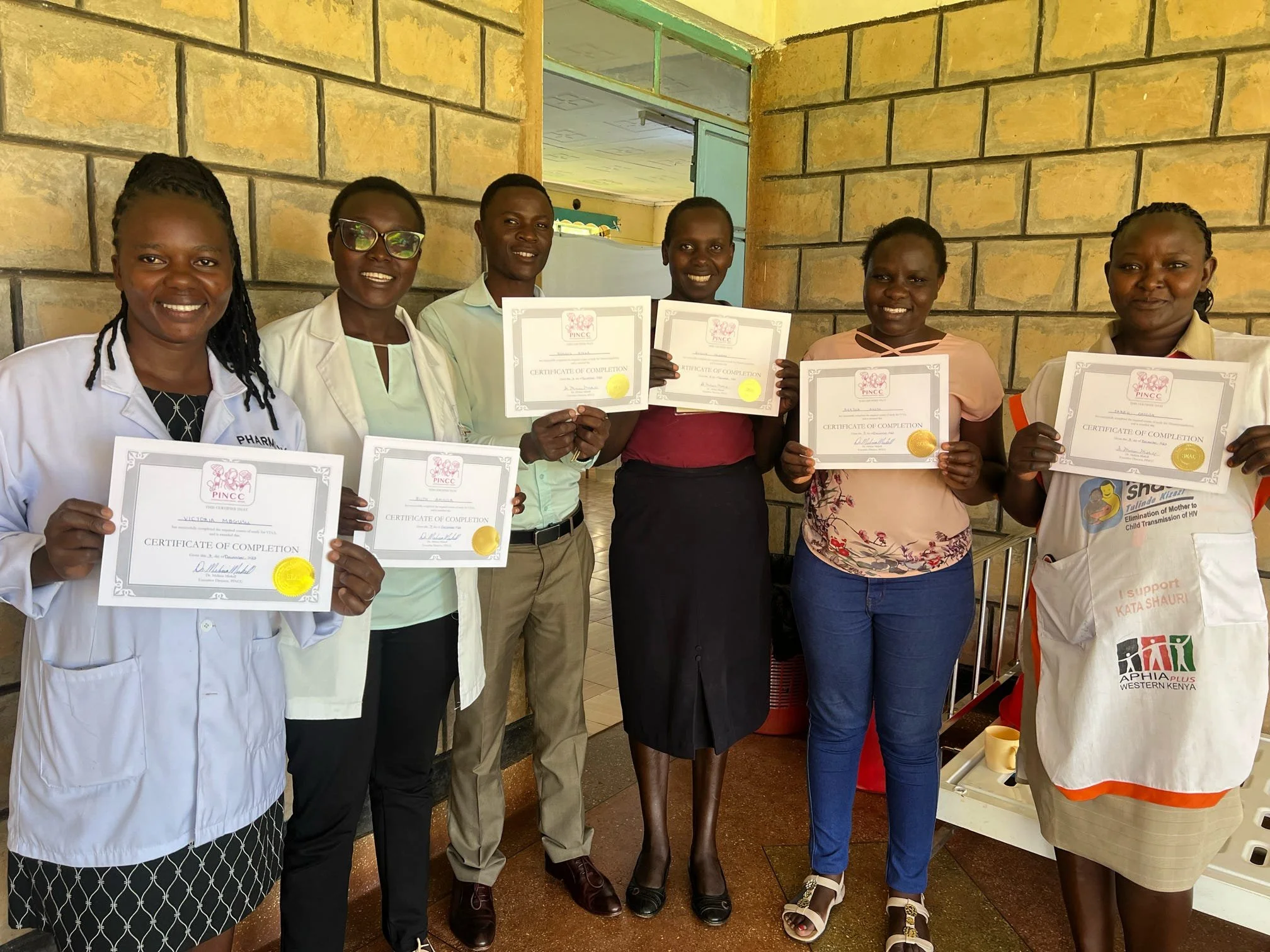
When we train healthcare providers, THEY CONTINUE TO TRAIN MORE.
It’s imperative that PINCC’s mission continues once our team leaves.
THE PINCC APPROACH
-
![Cervical cancer screening in developing countries - PINCC - Preventing Cervical Cancer Globally, Texas]()
Screening
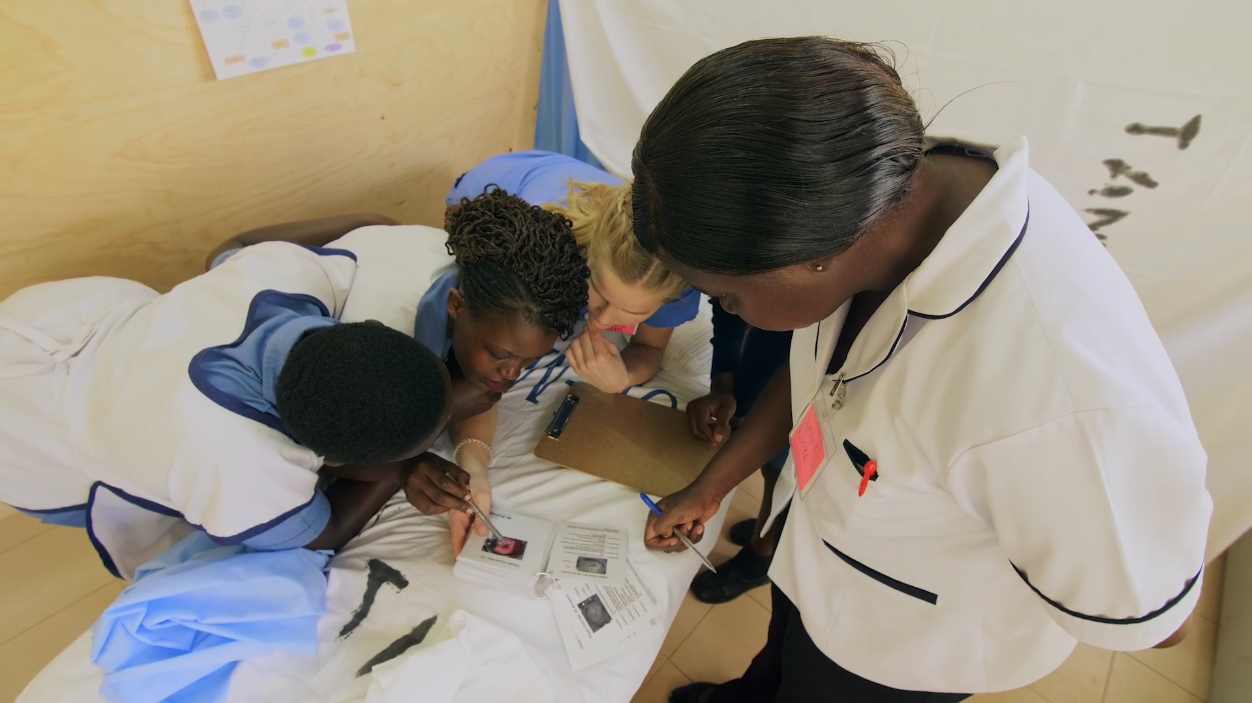
Screening is conducted through community education and mobilization for visual inspection with acetic acid (VIA) and HPV testing. VIA applies a diluted acetic acid solution to the cervix to highlight abnormal cells, while HPV tests collect cervical and vaginal cells for lab analysis. Results can be delivered within one hour.
-
![Cervical cancer treatment in developing countries - PINCC - Preventing Cervical Cancer Globally, Texas]()
Treatment
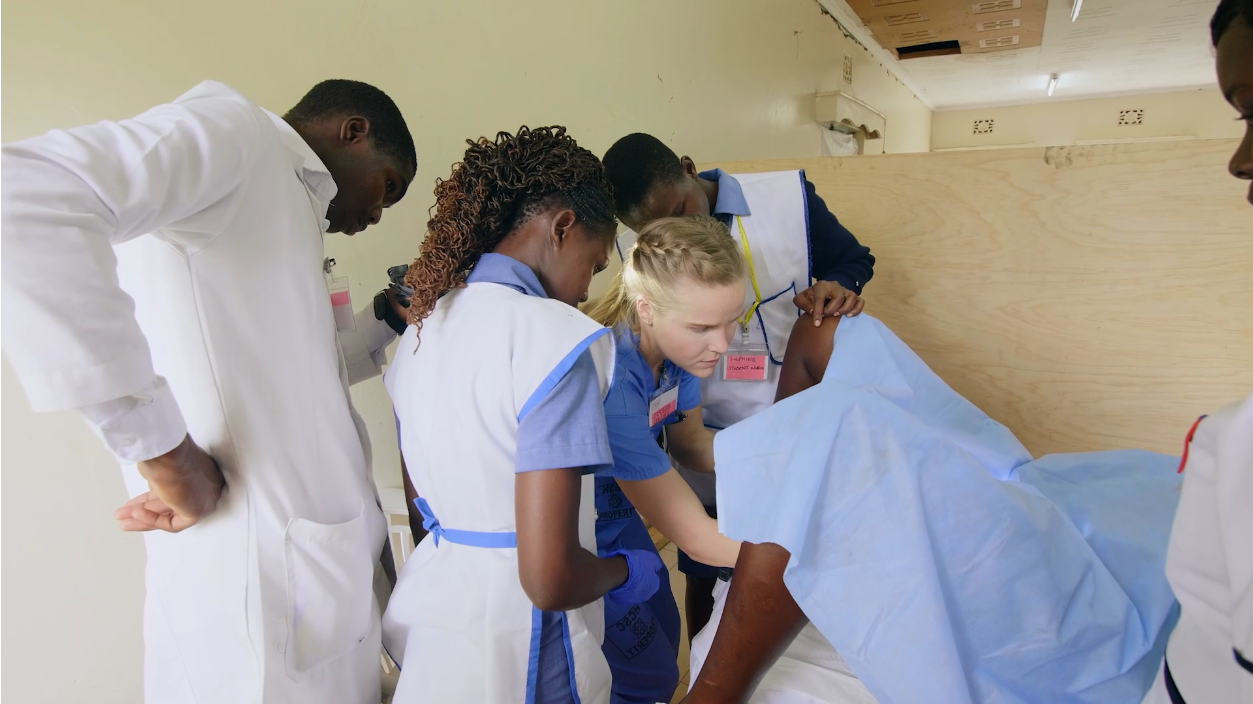
Thermal ablation is a key treatment for pre-cancerous cervical lesions in remote areas, using a portable device to destroy abnormal tissue at temperatures between 100°C and 120°C. For more advanced lesions, the Loop Electrosurgical Excision Procedure (LEEP) is performed to remove part of the cervix, requiring local anesthesia. Both methods are crucial for providing effective, accessible care in under-resourced settings.
-
![Cervical cancer education in developing countries - PINCC - Preventing Cervical Cancer Globally, Texas]()
Education
Our work extends beyond our trips, empowering local healthcare providers in underserved areas with training and tools to prevent cervical cancer. By equipping these providers to educate and train others, we create a ripple effect that fosters long-term sustainability. Our goal is to build a self-sufficient network of skilled practitioners committed to reducing cervical cancer rates and saving lives in communities with limited resources.
-
![Cervical cancer sustainability in developing countries - PINCC - Preventing Cervical Cancer Globally, Texas]()
Sustainability
PINCC is dedicated to establishing sustainable cervical cancer prevention programs worldwide. To date, we have trained approximately 700 medical personnel and certified 40 clinics across Africa, Latin America, and Asia. These self-sufficient sites continue to provide services to thousands of women annually. Our vision is to empower local healthcare systems to prevent cervical cancer, thereby saving countless women's lives.
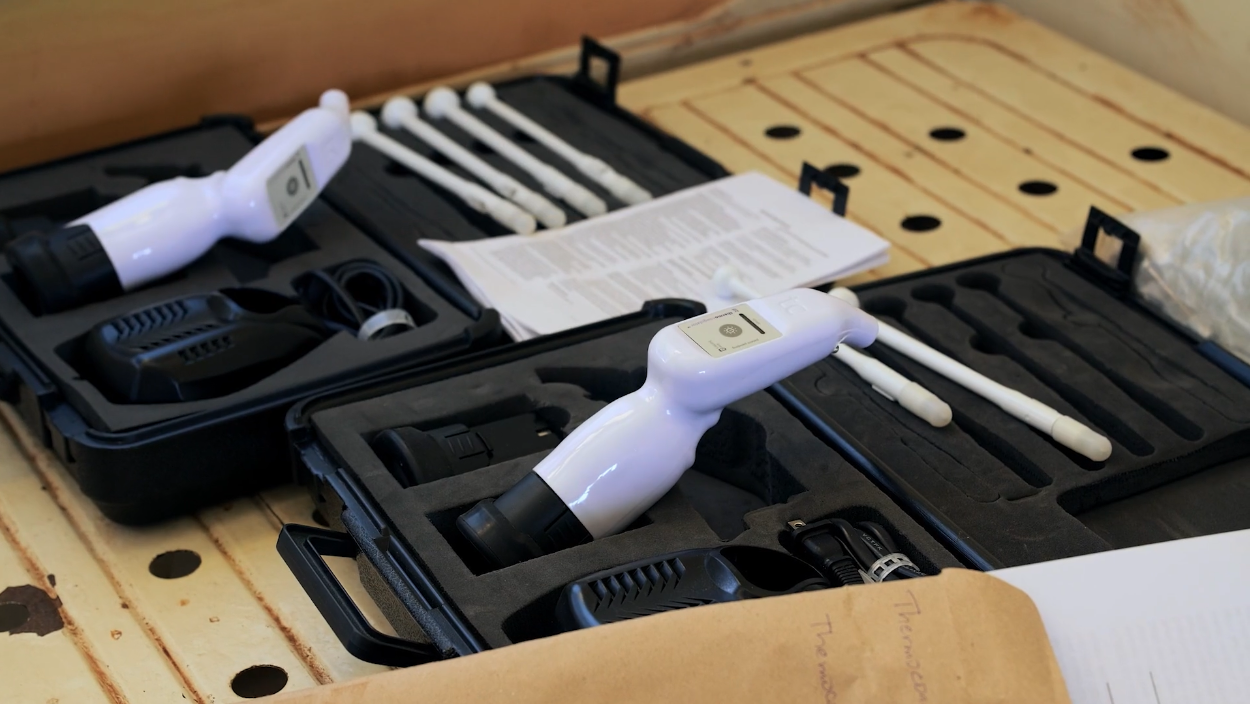


What are the devices Pincc donates to treat pre-cancerous cervical lesions?
Thermocoagulators use heat to destroy precancerous cells on the cervix, preventing them from developing into cervical cancer. This method, also known as thermal ablation, is often used to treat cervical intraepithelial neoplasia (CIN), a condition where abnormal cells grow on the surface of the cervix. By effectively eliminating these abnormal cells, thermocoagulators play a crucial role in preventing the progression to cervical cancer.
It is one of the main devices PINCC donates to clinics to ensure long-term sustainability in treating pre-cancerous cervical lesions.