Understanding the Problem of
Cervical Cancer
What Is Cervical Cancer?
Cervical Cancer is the only cancer that is 100% preventable. It is can also be cured if detected early and properly treated. Cervical cancer is a type of cancer that occurs in the cells of the cervix — the lower part of the uterus that connects to the vagina. Hope for women comes from education about women’s reproductive health — early and often screening. Cervical cancer is one of the most successfully treatable forms of cancer, as long as it is detected early and managed effectively. A diagnosis of cervical cancers in late stages can also be controlled with appropriate treatment and palliative care.
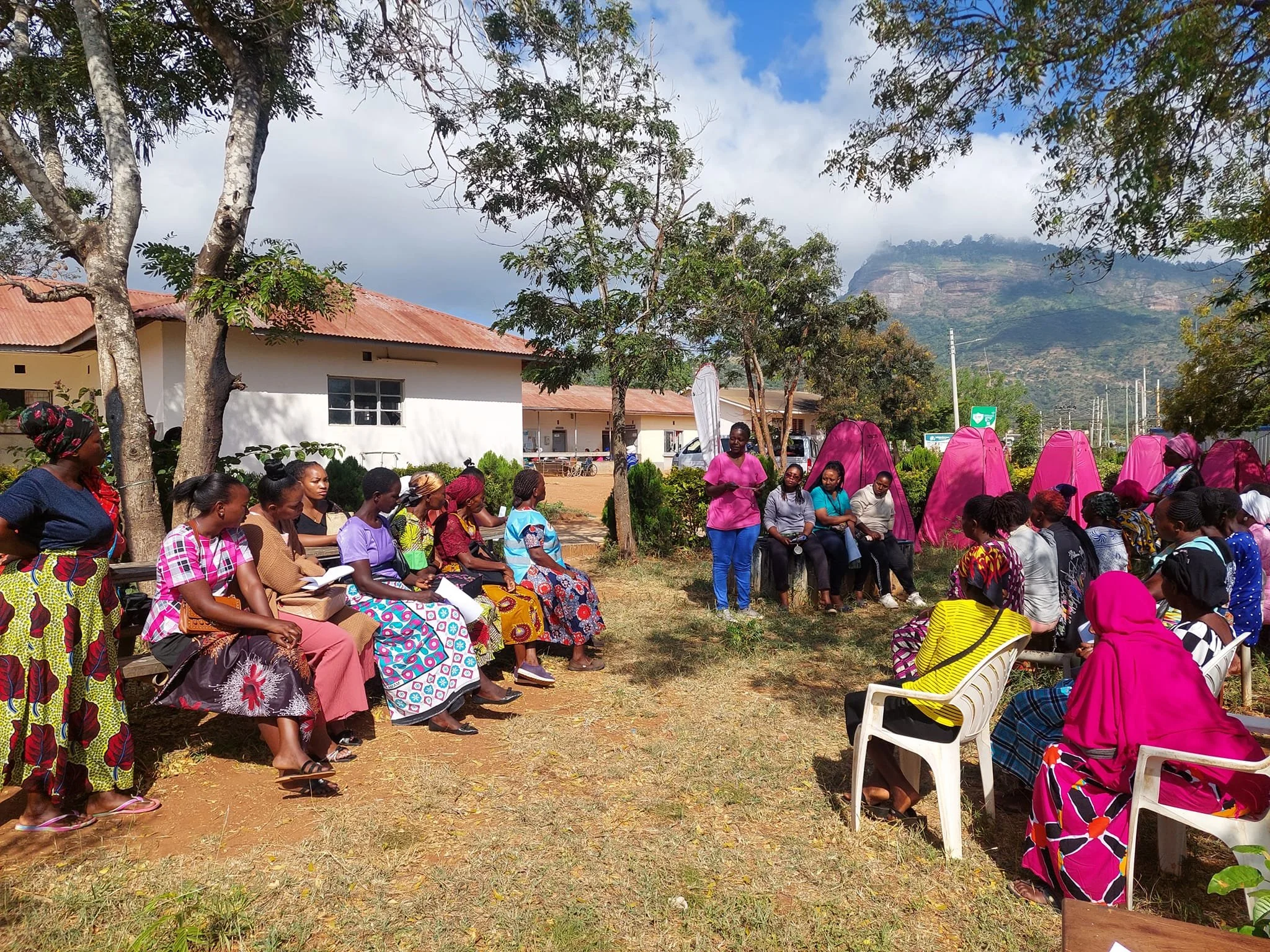
With global initiatives and culturally relevant comprehensive approaches to reach women in rural areas, prevention, screening, and treatment of cervical cancer, we can eliminate a public health crisis within a generation.
A Global Crisis: The Fight Against Cervical Cancer
Cervical cancer is a global crisis impacting women and their families across the world – especially in low-and-middle-income countries (LMIC). Women are the primary source of income and stability in LMICs. Without women, their families, communities and the world economy suffer. Here are the facts:
660,000 women diagnosed worldwide in 2022.
350,000 women lost to cervical cancer in 2020.
90% of deaths occur in low-and-middle-income countries.
Most common cancer in 36 low-income nations, especially sub-Saharan Africa.
More women die from cervical cancer than from childbirth.
Women living with HIV are 6 times more likely to develop cervical cancer.
Supporting World Health Organization Initiatives:
90-70-90 Strategy
90-70-90 is a public health strategy by the World Health Organization (WHO) that aims to eliminate cervical cancer. Each country should meet the 90–70–90 targets by 2030 to eradicate cervical cancer within the next century.
90% of girls fully vaccinated with the HPV vaccine by age 15.
70% of women are screened for using a high-performance test by age 35 & 45.
90% of women with precancerous lesions and invasive cervical cancer receive treatment.
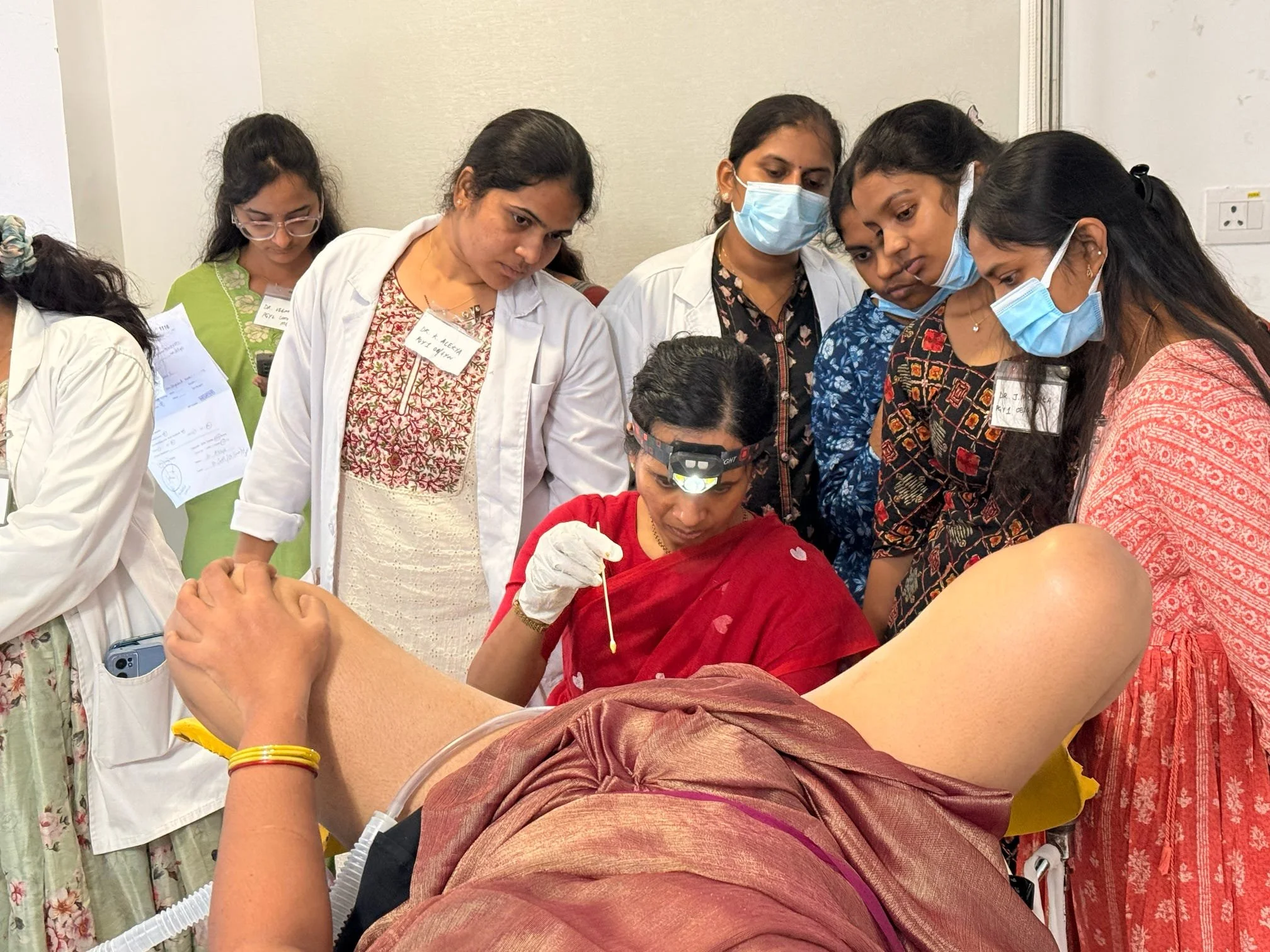
Our mission at PINCC is to increase cervical cancer screenings and ensure timely treatment in order to meet the "70" target of the WHO's 90-70-90 strategy. By training local healthcare providers, PINCC empowers communities to conduct effective screenings and diagnose precancerous conditions. The targeted approach not only addresses a key milestone in cervical cancer prevention, but also builds sustainable, self-sufficient healthcare systems to support ongoing efforts.